Skip to content
 In today’s eco-friendly fit-out materials, construction and interior design landscape, there’s a significant shift towards sustainability. Incorporating eco-friendly fit-out materials not only minimizes environmental impact but also enhances indoor air quality, creating healthier spaces for occupants. This article delves into the importance of these materials, highlights key options, and discusses their benefits in promoting sustainable interior design practices.
1. Importance of Eco-Friendly Materials in Fit-Outs
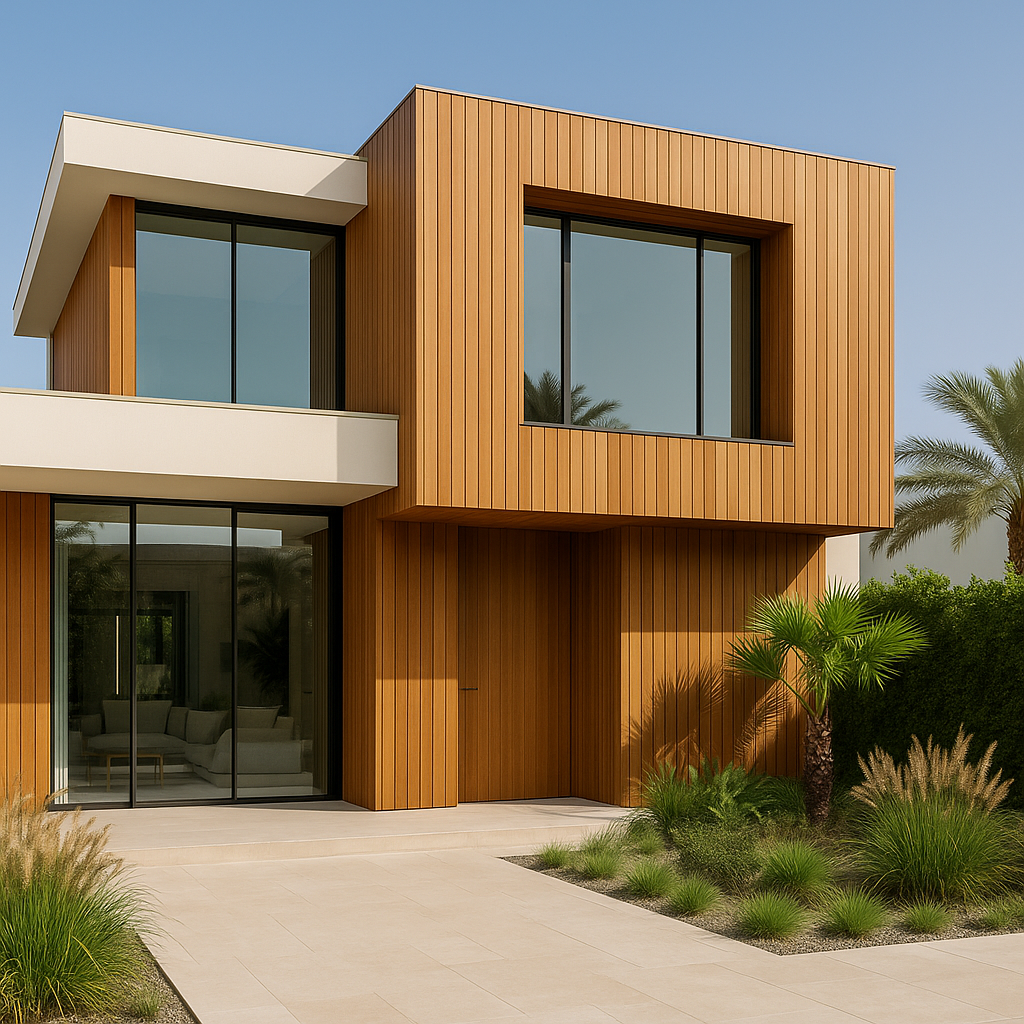
The adoption of eco-friendly materials in fit-outs is essential for several reasons:
- Environmental Sustainability: Responsibly sourced materials help lower environmental impact, conserve natural resources, and reduce construction and fit-out waste.
- Health Benefits: Eco-friendly materials often contain fewer harmful chemicals, helping improve indoor air quality and support healthier living and working spaces.
- Regulatory Compliance: Sustainability-focused materials can help projects align with green building standards and environmental requirements in regions such as the UAE.
- Market Demand: As environmental awareness grows, clients are increasingly choosing sustainable fit-out solutions, giving eco-friendly interiors a strong competitive advantage. Learn More About Eco-Friendly
2. Key Eco-Friendly Materials for Fit-Outs
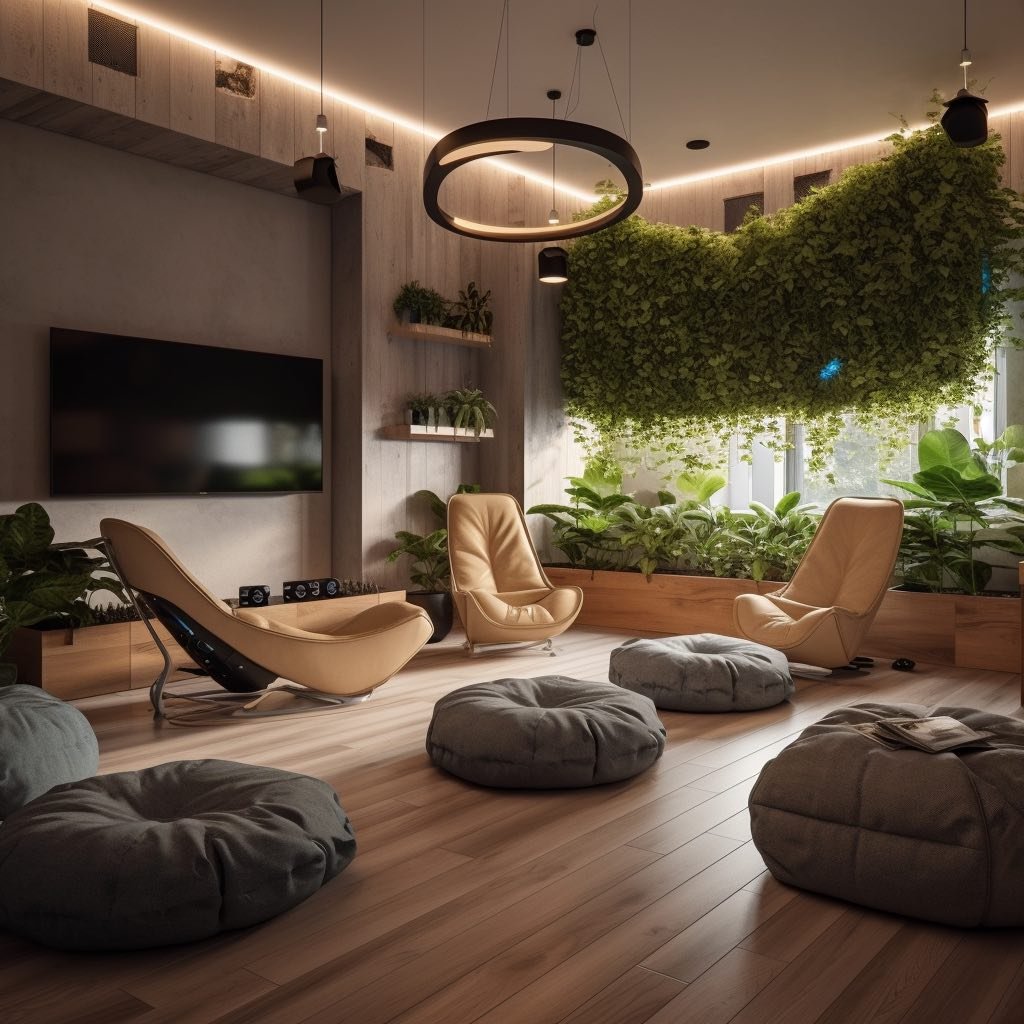
Several materials stand out for their eco-friendly properties in fit-out projects. Here are some of the most commonly used:
a. Recycled Wood
- Source: Sourced from reclaimed wood or industry by-products, giving existing timber materials a second life in interior fit-out projects.
- Benefits: Helps reduce deforestation, minimizes waste, and preserves the natural warmth, texture, and character of real wood.
- Applications: Suitable for flooring, wall panels, furniture, cabinetry, shelving, feature walls, and decorative interior elements.
b. Bamboo
- Source: Sourced from bamboo, a fast-growing renewable material that offers a sustainable alternative to traditional wood.
- Benefits: Durable, versatile, and lightweight, with lower production energy requirements compared to many conventional timber materials.
- Applications: Ideal for flooring, cabinetry, countertops, wall panels, furniture, and decorative interior elements.
c. Recycled Metal
- Source: Made from scrap metal such as aluminum, steel, and copper, giving reclaimed materials a valuable role in modern fit-out projects.
- Benefits: Reduces the need for new metal extraction, saves energy during production, and can be recycled repeatedly without losing quality.
- Applications: Suitable for structural elements, furniture frames, fixtures, partitions, cladding, and decorative accents.
d. Low-VOC Paints and Finishes
- Source: Formulated with low levels of volatile organic compounds, helping create safer and healthier indoor environments.
- Benefits: Reduces indoor air pollution and limits exposure to harmful emissions, supporting better air quality in interior spaces.
- Applications: Ideal for walls, ceilings, furniture, partitions, doors, and other painted surfaces in residential and commercial fit-outs.
e. Recycled Glass
- Source: Produced from post-consumer and post-industrial glass waste, giving discarded materials a new purpose in interior design.
- Benefits: Helps reduce landfill waste, conserves raw materials, and adds a distinctive visual texture to modern fit-out spaces.
- Applications: Suitable for countertops, wall tiles, decorative panels, feature surfaces, and glass partitions.
3. Benefits of Using Eco-Friendly Materials
Incorporating eco-friendly materials into fit-outs offers numerous benefits, including:
a. Environmental Benefits
- Reduced Carbon Footprint: Eco-friendly materials are often produced with lower energy requirements and can help reduce emissions throughout the fit-out process.
- Waste Reduction: Recycled wood, metal, glass, and other reused materials help limit landfill waste while supporting more responsible interior construction.
- Resource Conservation: Sustainable materials make better use of renewable, responsibly sourced, or recycled resources, reducing pressure on natural materials.
b. Health and Wellbeing
• Improved Indoor Air Quality: Low-VOC paints and finishes reduce harmful emissions, creating healthier spaces.
• Non-Toxic Options: Many eco-friendly materials are free from toxic chemicals, reducing health risks.
c. Economic Advantages
• Long-Term Cost Savings: Durable eco-friendly materials often have a longer lifespan, reducing maintenance and replacement costs.
• Increased Property Value: Sustainable fit-outs can enhance the marketability and value of properties.
4. How to Source Eco-Friendly Materials
Sourcing eco-friendly materials requires careful consideration to ensure their sustainability credentials. Key steps include:
- Certification Check: Choose materials with trusted certifications, such as FSC for responsibly sourced wood or GREENGUARD for low-emission products.
- Supplier Research: Work with suppliers that follow sustainable sourcing practices and provide clear information about material origins and production standards.
- Life Cycle Assessment: Evaluate each material from production and installation to maintenance and disposal to better understand its overall environmental impact.
5. Future of Eco-Friendly Fit-Outs
The trend towards eco-friendly fit-outs is expected to grow as sustainability becomes a core component of construction and design. Future developments may include:
- Innovative Materials: Advances in technology are introducing new sustainable materials with improved durability, performance, and design flexibility.
- Stricter Regulations: Evolving sustainability standards are encouraging businesses to adopt eco-friendly materials for responsible, compliant fit-out projects.
- Increased Awareness: As clients become more environmentally conscious, demand for eco-friendly fit-outs is growing across commercial, residential, and hospitality spaces.High-End Life Style
Conclusion
Eco-friendly materials for fit-outs represent a significant step towards sustainable interior design. Businesses and homeowners can contribute to a greener future while enjoying the benefits of high-quality, sustainable interiors by choosing materials that are kind to the environment and health-conscious.
Ready to transform your space with sustainable design? Contact Square Interiors today to explore eco-friendly fit-out solutions tailored to your needs.